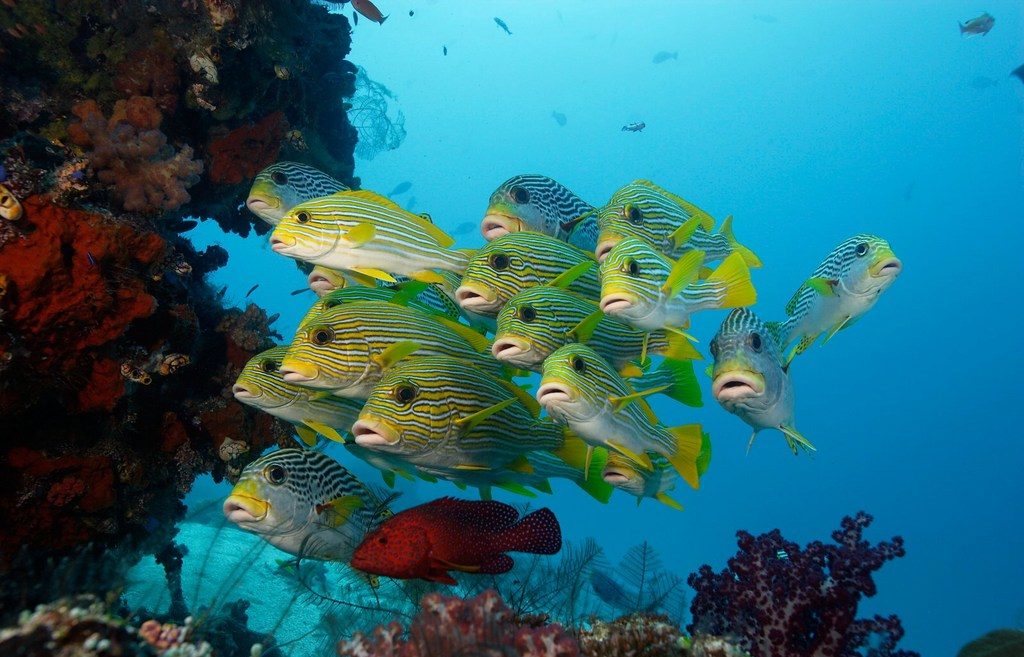
Group of Anemonefish-Komodo Island, Indonesia, © Wolcott Henry

Marine Conservation

Planet Heritage Foundation supports marine conservation because marine ecosystems contain over 50% of the world species making them crucial for maintaining global biodiversity. Marine ecosystems provide essentials such as oxygen production, nutrient cycling, and coastal protection, which are vital for human well-being and economic stability. Marine conservation helps maintain healthy fish populations ensuring sustainable sources of protein, income and employment for billions of people. Marine ecosystems play a critical role in absorbing carbon dioxide and mitigating the effects of climate change. Responsible marine conservation can support communities and tourism, generate income and create jobs, and develop environmental stewardship.

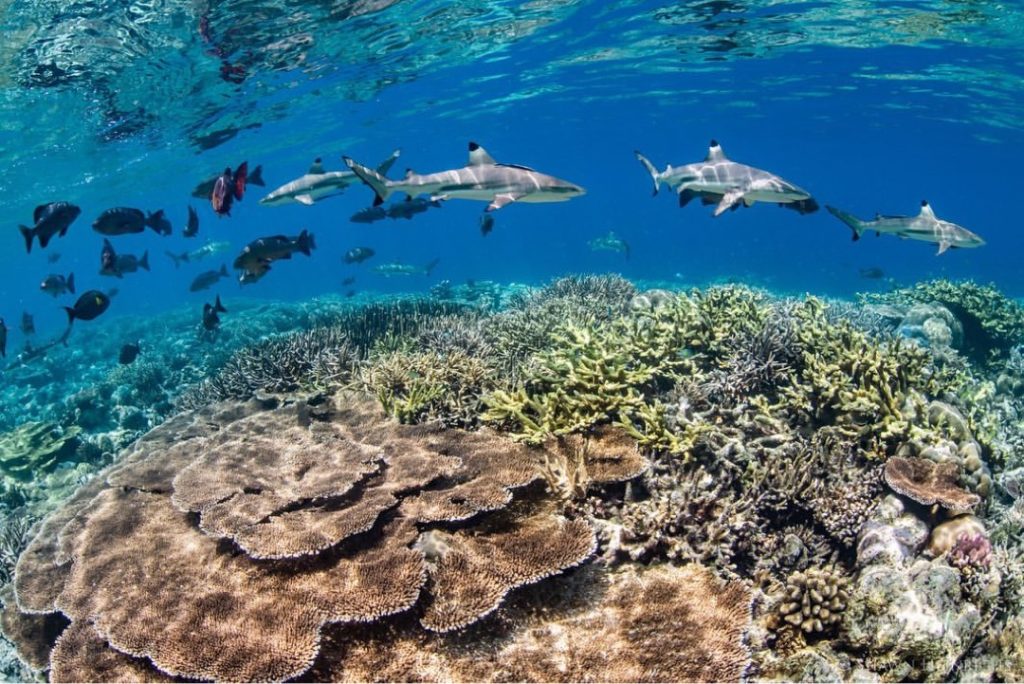
Blacktip Reef Sharks - Raja Ampat, Indonesia, © Shawn Heinrichs

Deep Rising

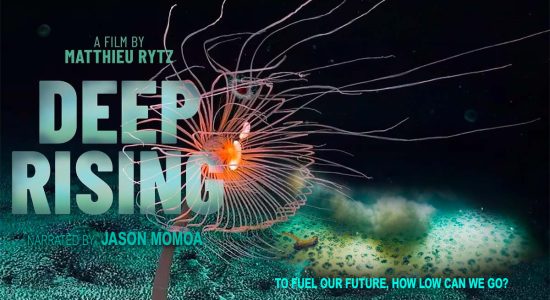
Sundance 2023 – Planet Heritage presents: Deep Rising. Planet Heritage Foundation was the primary funder of Deep Rising, a “wake up documentary.” The film calls attention to the risky and complex tradeoffs involved in rapidly emerging technologies and industries that are poised to use damaging technologies to disruptively mine the delicate deep-sea ecosystem essential to life on earth. Director Matthieu Rytz directs an up-to-the-minute tale of geopolitical, scientific and corporate intrigue that exposes imminent massive extraction of metals from the deep seafloor that are deemed essential to the electric battery revolution. Deep Rising examines humanity’s destructive pattern of extracting materials for profit and asks why we don’t choose, instead, to develop abundant resources to solve our energy problems.
DeepRising

Deep Rising is an important environmental documentary that premiered at Sundance in January 2023 to global acclaimNarrated by Jason Momoa, actor, filmmaker and advocate for environmental issues, the film charts the urgent threat to our deep ocean posed by the emerging deep seabed mining sector and exposes the greenwashed energy industry behind the race to exploit the deep ocean for profit. The film showcases the incredible beauty, majesty and marine life of the deep ocean ecosystems, while explaining how little we actually know about them.

In March 2023, following 10 years of negotiations, 190 Nations reached a historic agreement to protect the world’s oceans. The High Seas Treaty aims to turn 30% of the seas outside national jurisdiction into protected areas by 2030, to help safeguard and recuperate marine nature. The last international agreement on ocean protection was signed in 1982 – the UN Convention on the Law of the Sea (UNCLOS). But, there is a hidden provision within UNCLOS that gives the International Seabed Authority, the power to open up large swathes of seafloor for seabed mining. And, the new High Seas Treaty does nothing to prevent it.

The deep seabed is our planet’s last untouched wilderness. Now that the film has premiered, the team is poised to launch a large-scale, global public awareness and impact campaign with the aim to give people across the world a voice, because the deep seabed is the “Common heritage of humankind” and we should all have a say in its future.

Planet Heritage Foundation supported The Mission Blue Voyages which brought together over 100 influential scientists, activists, philanthropists, and celebrities seeking smart collaborations and solutions in restoring and preserving the marine ecosystems.

You can view the MISSION BLUE documentary on NETFLIX which follows oceanographer Sylvia Earle’s campaign to save the world’s oceans from threats such as overfishing and toxic waste. Starring: James Cameron, Michael deGruy and Sylvia Earle.
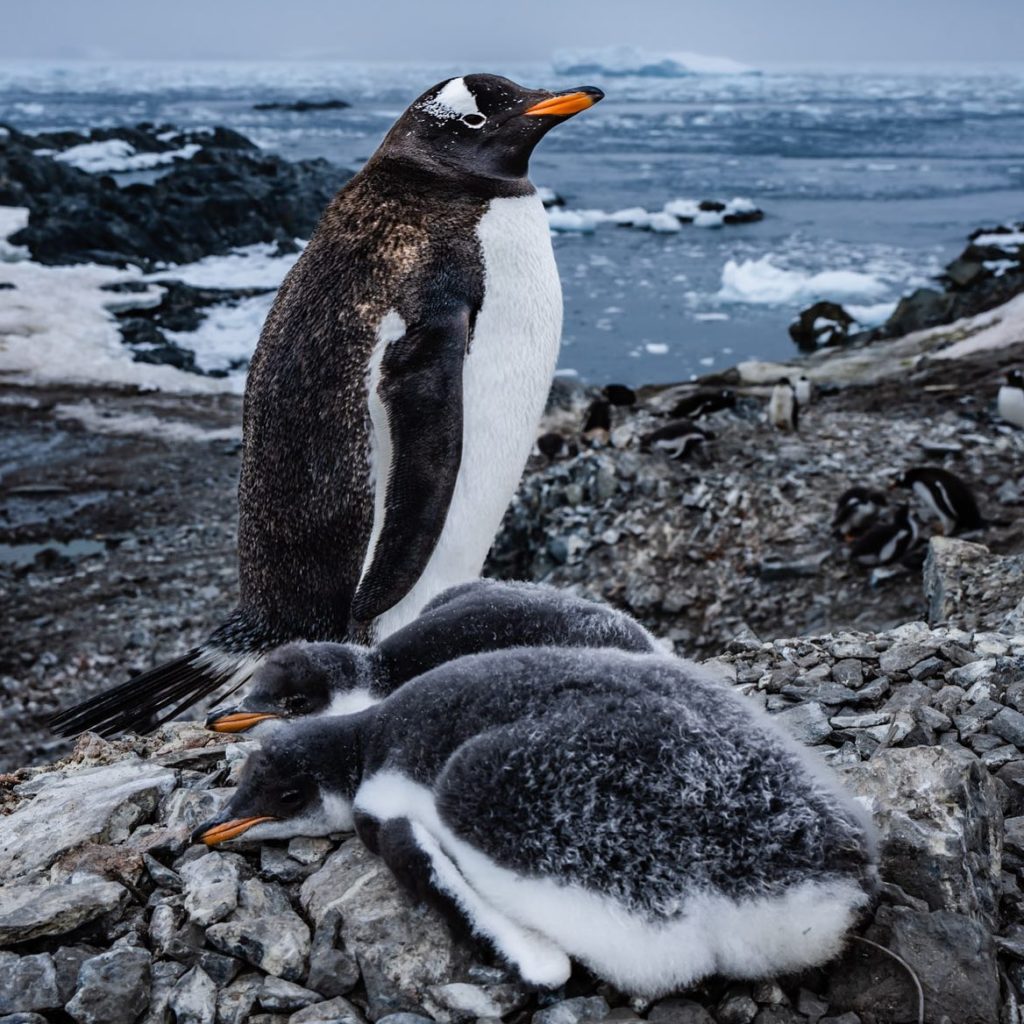
Gentoo Penguins - Antarctic Peninsula, © Shawn Heinrichs
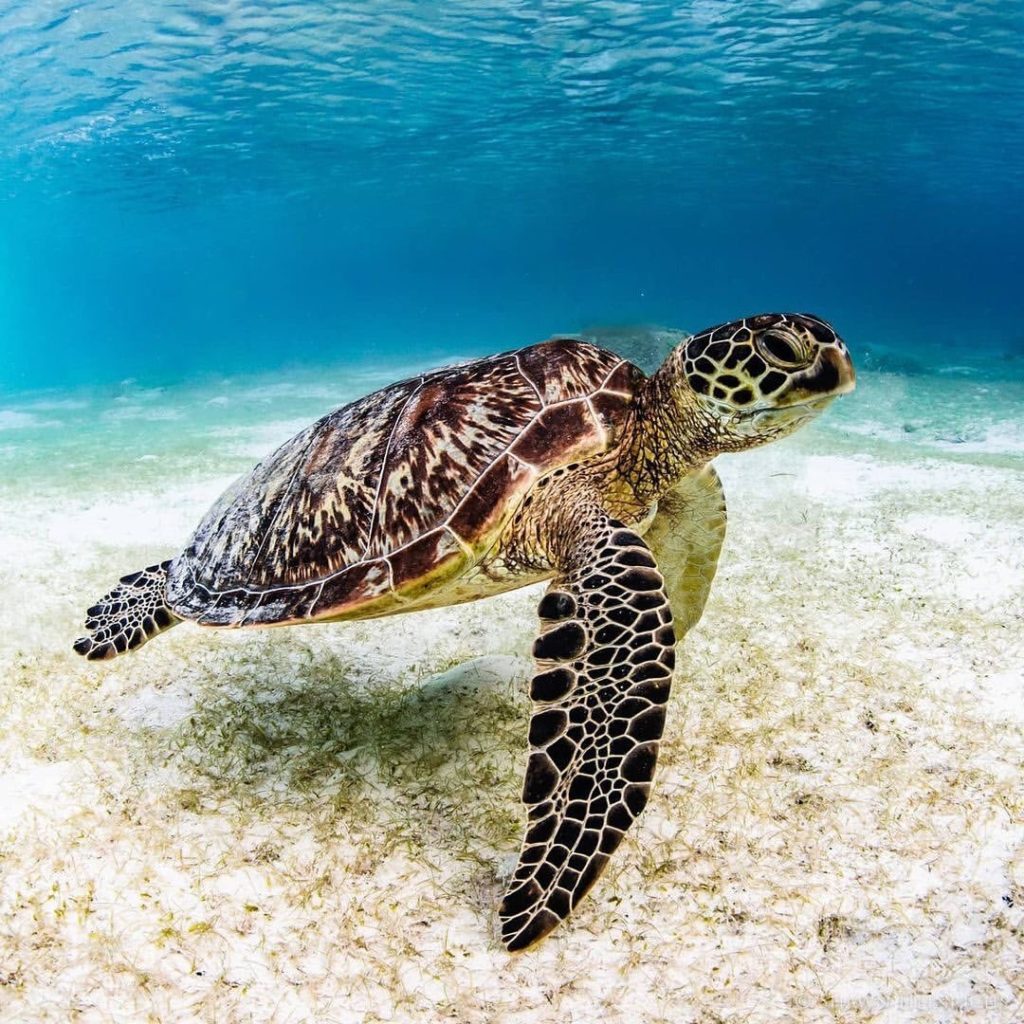
Turtle - Green Turtle - Raja Ampat, Indonesia, © Shawn Heinrichs
When Planet Heritage Foundation committed to expand its commitment to marine conservation, the Foundation partnered with strategist Tracey Durning to map the marine conservation field, identify gaps and recruit aligned partners to share due diligence, expertise and networks. Planet Heritage Foundation then invested in building collaborative infrastructure, partnering with Oak Foundation, Waitt Foundation and Marisla Foundation, to launch Oceans 5, a global funders collaborative that gives new and experienced philanthropists an effective platform to collectively achieve larger impact. Oceans 5 seeks to protect the planet’s five oceans by focusing on increasing marine protected areas, restoring global fisheries and constraining offshore oil and gas development. Partners include Bloomberg Philanthropies, The Wyss Foundation, The David and Lucile Packard Foundation, Moore Charitable Trust, Paul Angell Family Foundation, Zegar Family Foundation, Adessium, Stellar Blue Fund, Oceankind, Arcadia, Joy Family Foundation and The Tiffany & Co. Foundation.

Oceans 5 is focused on four programmatic goals:

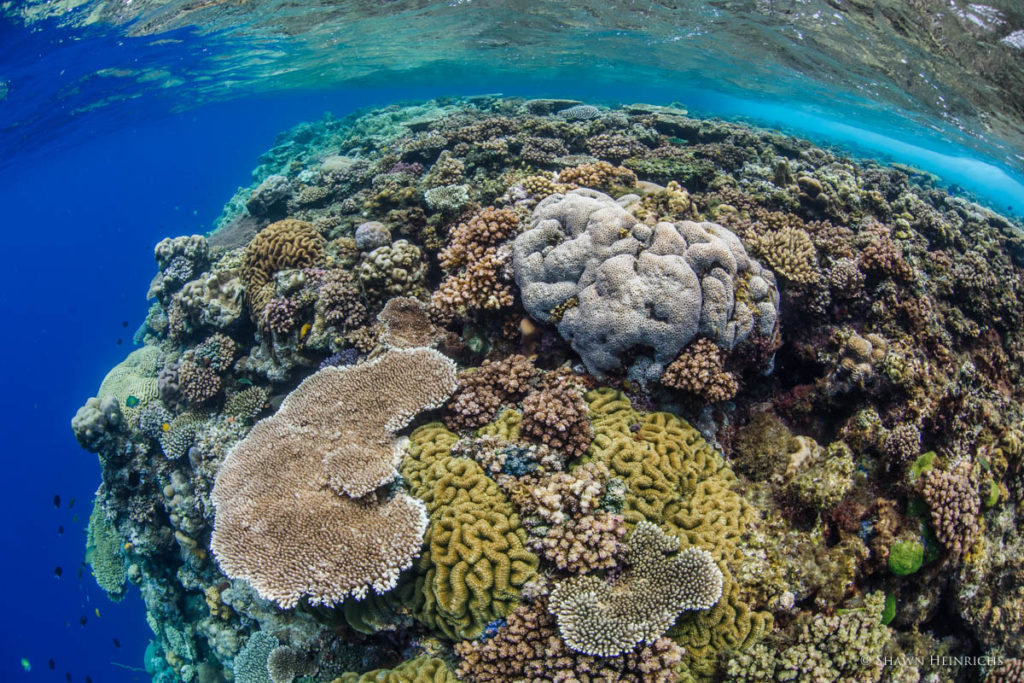
Coral - Coral Reef - Solomon Islands, © Shawn Heinrichs

SpottedDolphins-Bahamas, ©Shawn Heinrichs

Anthias - Western Pacific ©Wolcott Henry

Añihue-Pitipalena Multiple Use Marine Protected Area (AMPMU)

Planet Heritage Foundation supports Melimoyu Foundation to encourage the development of the Añihue-Pitipalena Multiple Use Marine Protected Area (AMPMU) in Chile. In partnership with Marisla Foundation, Pew Foundation, WWF and other philanthropies, Planet Heritage Foundation seeks to expand the reach of approved and proposed marine protected areas in this critically important biodiverse region. Planet Heritage Foundation supports the Melimoyu Foundation and the Añihue-Pitipalena AMPMU because AMPMU is the first such area with a management plan with active community engagement and involvement, promoting long-term sustainability. The efforts of Melimoyu and of the local community, as well as other partners have provided leadership in national efforts to ban salmon farming in all marine protected areas in Chile. Most recently, Melimoyu Foundation was successful in protecting 101,900 hectares (393.5 square miles) of ocean through the establishment of the Tic-Toc Corcovado Marine Park, Chile’s first continental coast marine park, and an important buffer for the Añihue-Pitipalena AMPMU.

“Even if you never have the chance to see or touch the ocean, the ocean touches you with every breath you take, every drop of water you drink, every bite you consume. Everyone, everywhere is inextricably connected to and utterly dependent upon the existence of the sea.”

- Dr. Sylvia Earle

World-renowned expert on marine biology

Our Partners

We are proud to collaborate with a diverse range of organizations and individuals who contribute to our success.
Scroll to Top